


Roof anchors are the most common component used in the permanent window washing equipment industry. This article helps explain what a roof anchor is and why it is so widely used.
What Is a Roof Anchor?
At first glance, a roof anchor appears to be a simple product: a basic post with a U-bar attached at the top. However, looks can be deceiving. When it comes to roof anchors, there is far more involved than what is immediately visible.
Several factors must be considered during the design and manufacturing of a roof anchor. Most importantly, the purpose of a roof anchor is to protect people who may otherwise be exposed to a fall hazard.
Roof Anchor Strength Requirements
A typical Pro-Bel roof anchor is designed to meet a 1,000-lb static load and a 5,000-lb ultimate load.
The static load represents a constant, fixed force applied to the anchor. The ultimate load is a one-time force that allows the anchor to bend without fracturing or detaching from the structure.
Some jurisdictions impose stricter regulations for roof anchors, such as California.
What Does a Roof Anchor Look Like?
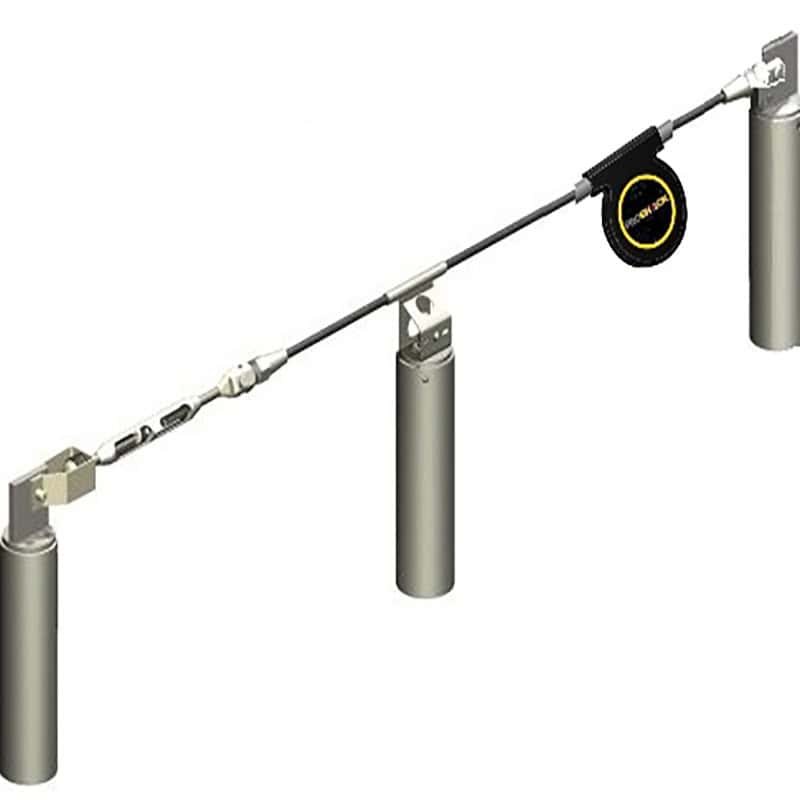
Above are examples of roof anchors along with related equipment, including wall anchors, horizontal lifeline components, and rigging sleeves.
How Are Roof Anchors Installed?
When selecting roof anchors, the first consideration is how the anchor will be attached to the structure. Common installation methods include:
- Welding to an I-beam
- Cast-in-place installation
- Bolting through the structure
- Adhesive anchors
- Wrapping around a beam
The next consideration is anchor height. Standard Pro-Bel roof anchor sizes include 12″, 15″, and 18″. Custom sizes can also be manufactured.
If an anchor must be taller than standard, design modifications may be required, such as increasing the outside diameter to provide additional structural capacity.
As a general rule, the top of the anchor should be approximately 8 inches above the finished roofing material to allow space for proper flashing.
What Are Roof Anchors Used For?
All roof anchors serve one primary purpose: protecting workers from falls.
Building owners are required to provide workers and contractors with a workplace free from recognized hazards. These hazards may include window cleaning at height or routine maintenance tasks such as gutter cleaning.
Whenever a worker is exposed to a potential fall, appropriate fall protection equipment must be provided.
How Does a Roof Anchor Work?
During window-cleaning operations, a minimum of 2 roof anchors is typically required per worker.
One anchor is used as the primary tie-back point, connected directly to the worker’s harness. Additional anchors support suspended equipment such as a bosun’s chair, powered platform, or other suspended work systems.
Roof anchors may also function as part of a horizontal lifeline system. In this configuration, a cable passes through intermediate anchors and is terminated at designated end anchors. The worker connects to the cable rather than directly to an individual anchor.
How Is a Roof Anchor System Designed?
Pro-Bel offers design services that begin with a review of the building, including roof plans, elevations, sections, and floor plans.
The goal is to determine the safest and most efficient method for accessing and cleaning the building using roof anchors.
Once the access strategy is established, the system is laid out to comply with all applicable national and local codes and standards. The objective is to deliver a system that is code-compliant, user-friendly, and cost-effective.
It is always recommended to consult an experienced, reputable manufacturer when designing window-washing or fall-protection systems. These systems are critical to worker safety, and their design requires specialized expertise.